
From a community concern to useful evidence: Coastal Carolina Riverwatch connects field observations, laboratory partnerships and watershed planning to protect the quality of water and quality of life in coastal North Carolina.
Monitoring with a purpose
Our work begins with questions that matter to coastal communities and fisheries: Where are water-quality concerns emerging? What evidence is needed to understand them? Who can use the findings to guide prevention, research or a public decision?
CCRW works in the White Oak River Basin—including the White Oak, New, Newport and North rivers—and participates in broader coastal research partnerships. Sampling locations, methods and schedules depend on each project’s question and resources. Explore the project pages below for the relevant methods, partners, findings and next steps.
Explore the research
Bacteria and agricultural pollution pathways
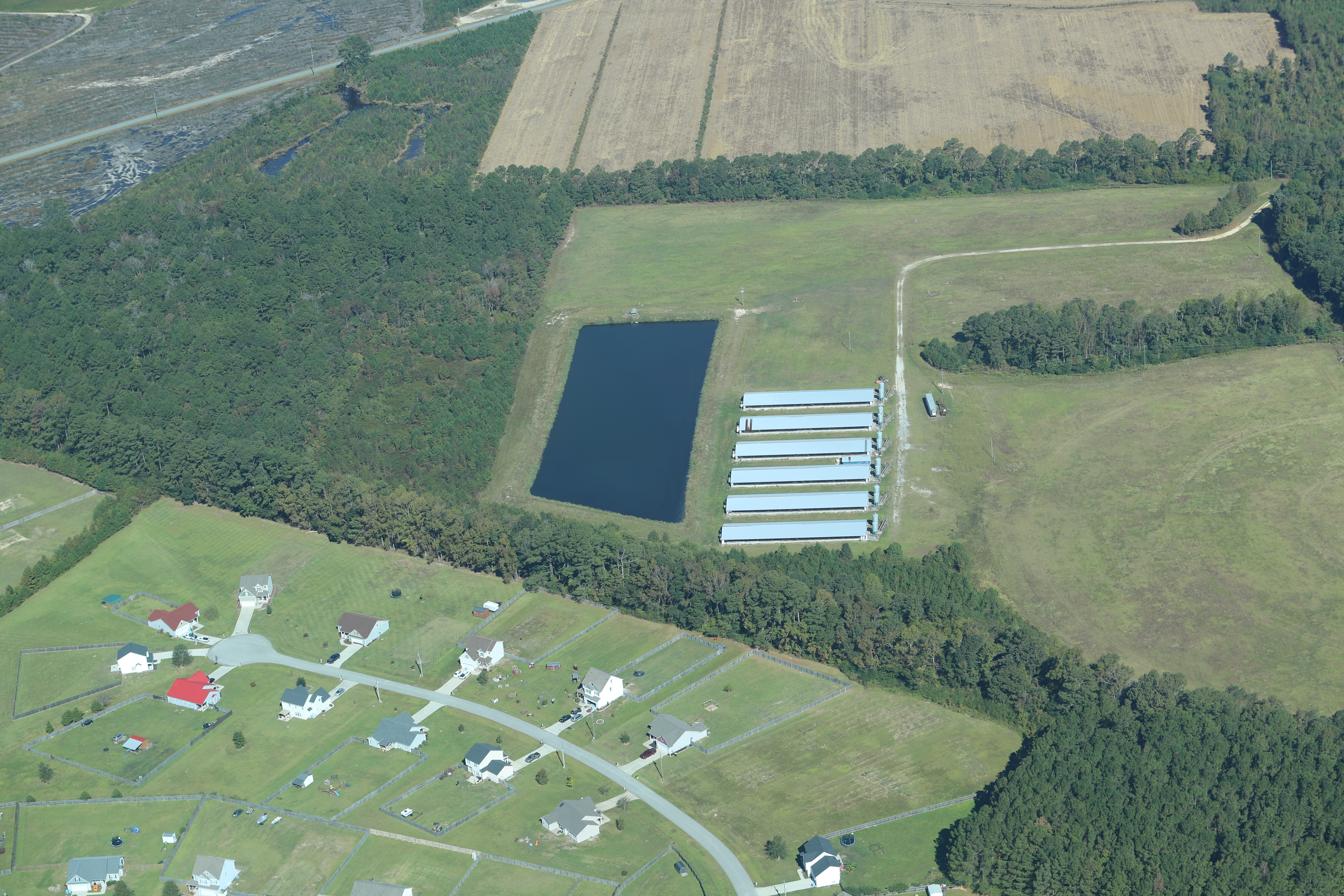
Pure Farms, Pure Waters combines field observations, sampling, aerial monitoring and collaboration with the UNC Institute of Marine Sciences to investigate bacterial pollution in New River tributaries. The project page provides research findings, source-tracking context and the information needed to interpret the results.
Emerging contaminants and fisheries
Oyster PFAS and heavy-metal research examines contaminant questions in wild and farm-raised oysters with Duke University research partners. Use this dedicated page for project-specific information.
Plastic chemical research with RTI International explores pollution questions connected to plastic-associated chemicals. Screening is a starting point for further investigation; project methods and limitations matter when interpreting any finding.
Algae, habitat and aquatic health
Algal toxin and phytoplankton research connects observations and research partnerships to questions about coastal algae and water quality. For information about a suspected bloom or fish kill, visit Algae Bloom Response.
Blue crab health and submerged aquatic vegetation research examines connections between crab health and habitat. NC SAV Watchers brings trained community participants into seagrass observation and research partnerships.
Connect evidence to watershed action
Water samples provide one part of the picture. Watershed planning brings monitoring together with drainage, land use, habitat and community priorities to identify potential restoration opportunities.
- Lower New River Watershed Action Plan — explore focus areas, field observations and planning resources.
- Upper New River watershed planning — learn about the planning area and restoration process.
- Water Quality for Fisheries — see how fishermen, researchers and coastal partners help shape water-quality priorities.
How to read monitoring results
A result describes a particular sample, place and time. Rainfall, tides, season, collection methods and laboratory quality controls affect interpretation. A comparison value can help explain a result, but does not automatically establish a regulatory violation, identify a pollution source or describe conditions throughout a waterway.
Use each project’s findings alongside its sampling period, methods and stated limitations. Habitat observations, chemical screening and bacterial source tracking answer different questions and should be interpreted accordingly.
Share a water-quality concern
Notice unusual water conditions, a suspected discharge, a bloom or another environmental concern? Report an Issue to share the location and observations with CCRW. Photos and the date of your observation can help staff understand the concern.
For questions about monitoring methods, project findings or research partnerships, contact the White Oak Waterkeeper at Waterkeeper@coastalcarolinariverwatch.org.