
Lisa Rider – Executive Director
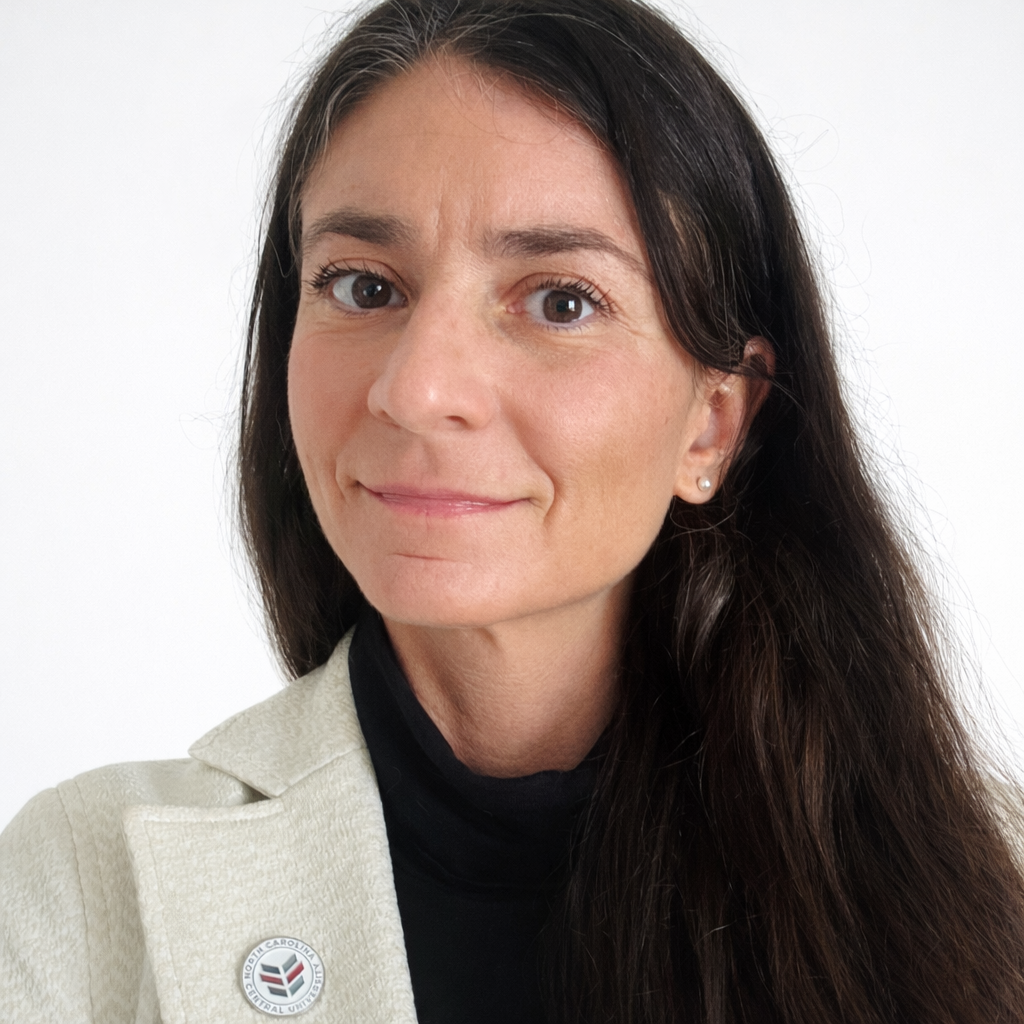
Lisa Rider is the Executive Director of Coastal Carolina Riverwatch and a proud coastal North Carolina native. She brings more than 15 years of local government experience and more than six years of nonprofit executive leadership, with a career spanning solid waste infrastructure, coastal resource management, water quality protection and policy development, and community-based environmental advocacy. She also has more than 30 years of volunteer experience focused on marine debris removal and coastal stewardship.
Lisa earned both her Bachelor of Science in Behavior and Social Science and her Master of Public Administration from North Carolina Central University, graduating magna cum laude. Her academic training, combined with decades of field and leadership experience, has shaped her practical and collaborative approach to public service, environmental protection, and community engagement.
A longtime leader in marine debris prevention and response, Lisa founded the North Carolina Marine Debris Symposium and has served on the Mid-Atlantic NOAA Marine Debris Program Consortium. Her work has centered on building practical partnerships that connect local communities, government agencies, researchers, and nonprofit organizations to protect coastal quality of water and quality of life. In her spare time, Lisa is a certified PADI scuba diving instructor and has been guiding North Carolina divers since 2014.
Lisa has been recognized throughout her career for leadership in conservation, public education, and waste reduction. Her honors include the North Carolina Governor’s Conservation Achievement Award as Conservation Communicator of the Year, the North Carolina Governor’s Conservation Achievement Award as Water Conservationist of the Year, Environmental Educator of the Year, and Recycler of the Year. She has also served in leadership and advisory roles with organizations including the National Recycling Coalition, Plastic Ocean Project, the C.A.S.H. Advisory Board at North Carolina Central University, and is a member of the Pi Alpha Alpha, the Global Honor Society for Public Affairs and Administration.
In 2019, Lisa joined Coastal Carolina Riverwatch to help advance the organization’s mission through strategic collaboration, public engagement, and strong advocacy for clean water and healthy coastal communities. She is also the author of The River Remembers (2025). Lisa often says she is “a proud eastern North Carolina native, but with that pride comes responsibility — the responsibility to protect our coastal community environment for future generations.”
Christina Boxberger – White Oak Waterkeeper
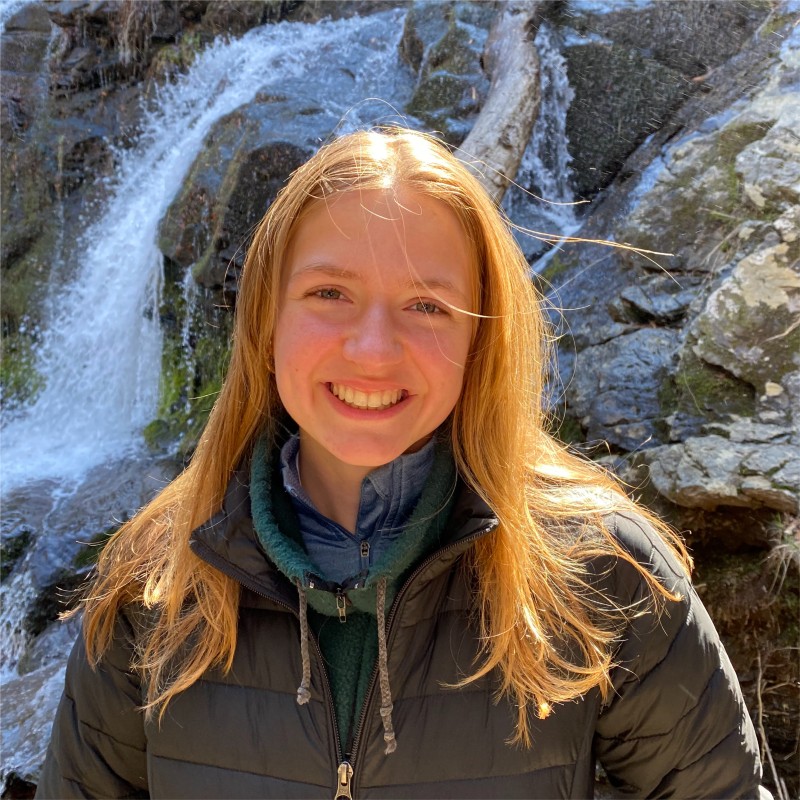
Christina joins CCRW at an important time for coastal North Carolina. Our communities are facing growing concerns tied to wastewater and septic systems, stormwater runoff, agricultural runoff, emerging contaminants, plastic pollution, Harmful Algal Blooms, fish kills, flooding, and the long-term health of the waters that support our families, fishermen, wildlife, local economies, and quality of life.
As White Oak Waterkeeper, Christina will help CCRW continue our mission to protect the quality of water and quality of life in coastal North Carolina.
Christina brings a strong combination of coastal science, environmental health research, environmental education, community engagement, field experience, and technical skills. She studied Environmental Science at Duke University, with a minor in Psychology, and spent time learning at the Duke Marine Lab in Beaufort. In a public reflection written for the Rachel Carson Council, Christina described kayaking across Taylor’s Creek toward Carrot Island and reflecting on the salt marshes, oyster-studded shorelines, shorebirds, and coastal ecosystems that shaped Rachel Carson’s writing and continue to inspire coastal conservation today.
Christina’s background also includes work at the intersection of environmental science and community stories. Through the Environmental Justice Oral History Project, she contributed to journalism and oral history work focused on communities experiencing environmental harm. That experience connects directly to CCRW’s belief that strong water quality work must include both sound science and the lived experiences of the people most connected to local waters.
Her research experience includes work connected to environmental toxicology, data collection, validation, methodology, and technical writing. A recent publication through work supported by the U.S. Environmental Protection Agency Office of Research and Development lists Christina’s contributions in writing, validation, methodology, investigation, and data curation.
That mix of science, communication, and community connection is exactly what the Waterkeeper role requires. Waterkeeper organizations serve as on-the-ground advocates who patrol local waterways, educate the public, organize community action, and help address pollution concerns.